
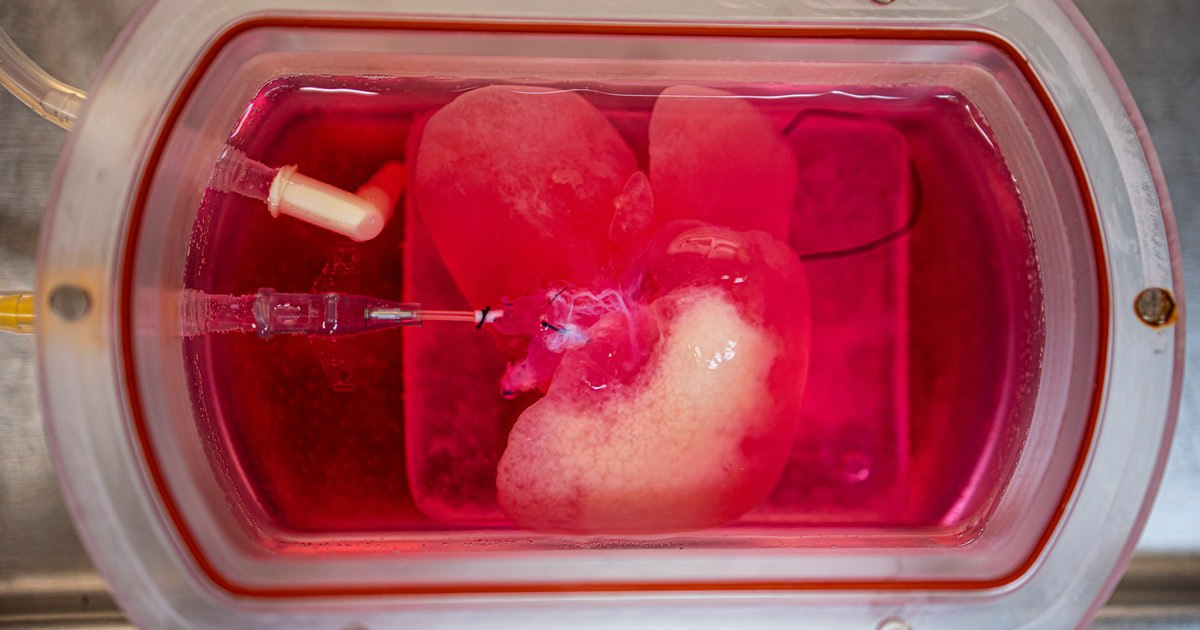
In a fascinating new study, scientists created fully-functional mini-livers out of human skin cells, then successfully transplanted them into rats.
The research is a proof-of-concept for potentially revolutionary technology and provides a glimpse of an organ donor free future.
“I believe it’s a very important step because we know it can be done,” co-author Alejandro Soto-Gutiérrez, a regenerative medicine researcher at the University of Pittsburg, tells Inverse. “You can make a whole organ that can be functional from one cell of the skin.”
About 17,000 people are currently waiting for a liver transplant in the United States. This number greatly exceeds the amount of available, donated by deceased donors.
Meanwhile, organ transplants can be prohibitively expensive. In 2017, patients receiving a liver transplant were billed an estimated $812,500. That includes pre and post-op care as well as immunosuppressant drugs to keep people’s bodies from rejecting the transplanted organ.
ALI PATTILLO17 HOURS AGOnull
In a fascinating new study, scientists created fully-functional mini-livers out of human skin cells, then successfully transplanted them into rats.
The research is a proof-of-concept for potentially revolutionary technology and provides a glimpse of an organ donor free future.null
“I believe it’s a very important step because we know it can be done,” co-author Alejandro Soto-Gutiérrez, a regenerative medicine researcher at the University of Pittsburg, tells Inverse. “You can make a whole organ that can be functional from one cell of the skin.”
About 17,000 people are currently waiting for a liver transplant in the United States. This number greatly exceeds the amount of available, donated by deceased donors.
Meanwhile, organ transplants can be prohibitively expensive. In 2017, patients receiving a liver transplant were billed an estimated $812,500. That includes pre and post-op care as well as immunosuppressant drugs to keep people’s bodies from rejecting the transplanted organ.null
In the far future, this biofabrication technology may help close this organ shortage, speed up the transplant process, and lower the cost. The tech could also help provide a functional boost to failing livers, buying patients time as they wait for a full transplant.
“What we are planning to do is to start making mini human organs that are universal,” Soto-Gutiérrez explains. This means scientists can biofabricate liver grafts that are universally accepted.
“That would change the paradigm of transplants.”
HOW TO GROW A LIVER — To start, Soto-Gutiérrez and his team took skin cell samples from a group of human participants. Then, they reprogrammed these human skin cells into induced pluripotent stem cells (iPSCs), using various transcription factors. Next, they guided those stem cells to become various types of liver cells and, then, seeded those human liver cells into liver scaffolds, rat livers with their own cells removed.
While it has taken over a decade to hone each step of this process, it took researchers under a month to grow the mini livers in bioreactors. Liver maturation takes up to two years in a natural environment, the researchers write.
The team transplanted these mini lab-grown livers into five mice that were bred to be immunosuppressed, meaning they were unlikely to reject the organ transplant. Four days after the transplant, the team dissected the animals to see how well the implanted organs were operating.
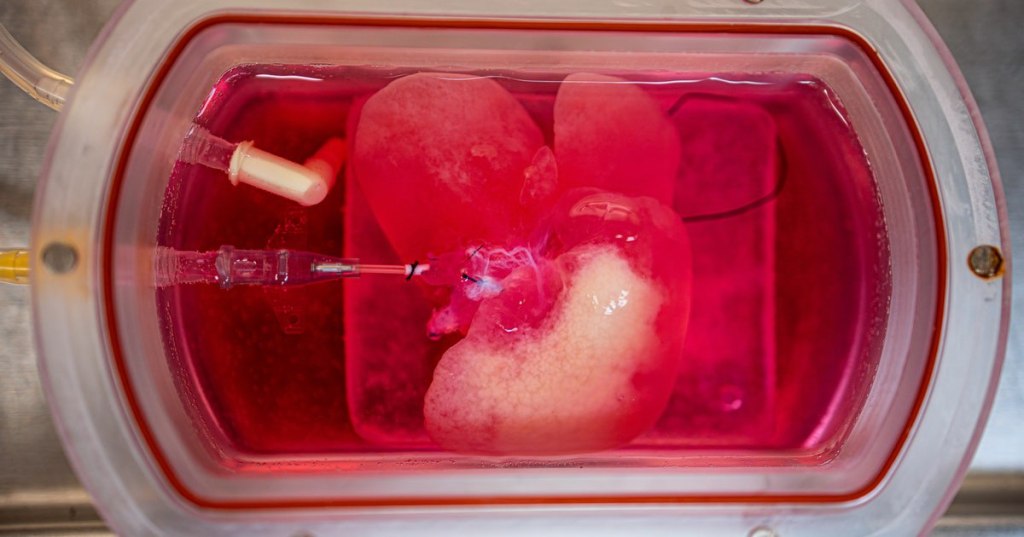
In all cases, blood flow problems had developed within and around the graft. Still, the transplanted mini-livers worked, proven by the fact that the rats had human liver proteins in their blood serum. The mini-livers secreted bile acids and urea, just like a normal liver.


 Vermang News