Radically Different’: This Could Be The Most Accurate Flat World Map Ever Made

Radically Different’: This Could Be The Most Accurate Flat World Map Ever Made

Admit it. We all have our favorite world map, where the place we call home sits right at the center. When that world map is flipped upside down or shifted to the left or right, everything feels… unbalanced.
More than just a classroom squabble, it’s a reflection of how maps can shape how we view and understand the world.
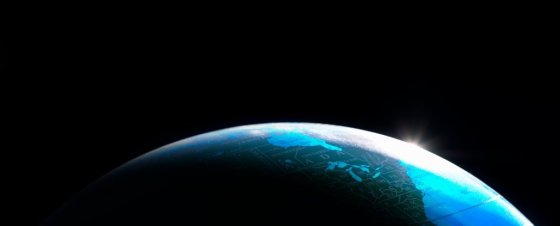
Last year, a group of researchers revealed their reimagined version of the planet in a double-sided map. It’s round, not unlike Earth, but also flat like a pancake – in an attempt to give us a less distorted view of the world.

Even Dying Stars Could Give Birth to Brand New Planets, Says Study

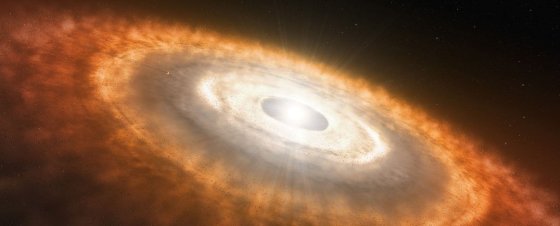
When young stars coalesce out of a cloud of molecular hydrogen, a disk of leftover material called a protoplanetary disk surrounds them. This disk is where planets form, and astronomers are getting better at peering into those veiled environments and watching embryonic worlds take shape. But young stars aren’t the only stars with disks of raw material rotating around them.
Some old, dying stars also have disks. Can a second generation of planets form under those conditions?

Humans May Be Slowly Losing Their Sense of Smell, New Study Hints

Humans May Be Slowly Losing Their Sense of Smell, New Study Hints.

Humans’ sense of smell may indeed be gradually fading, according to a study that has found people carry different versions of two scent receptors for musk and body odor.
Olfactory receptors detect airborne chemicals that waft into our noses, but smell receptors vary immensely from one person to the next.
Any two people, on average, will have functional differences in over 30 percent of their odorant receptor genes, a 2013 study found. Which explains why some people might find some smells pungent or pleasant that the next person can’t even detect.